In Connecticut, the landscape is anything but uniform. Homeowners constantly deal with dense tree cover, rocky glacial soil, uneven slopes, and drainage issues.
If you’re stuck wondering what to do with a patchy lawn or an overgrown side yard that never gets sun, the answer isn’t to “just add mulch.” You need a real Connecticut landscaping strategy that balances long-term maintenance with smart, site-specific design.
Let’s break down how to approach shaded, rocky, and difficult areas in a way that actually adds value to your property and doesn’t waste your time.
Stop Forcing Grass Where It Doesn’t Belong.
Many homeowners try to force turf into areas where it simply won’t survive.
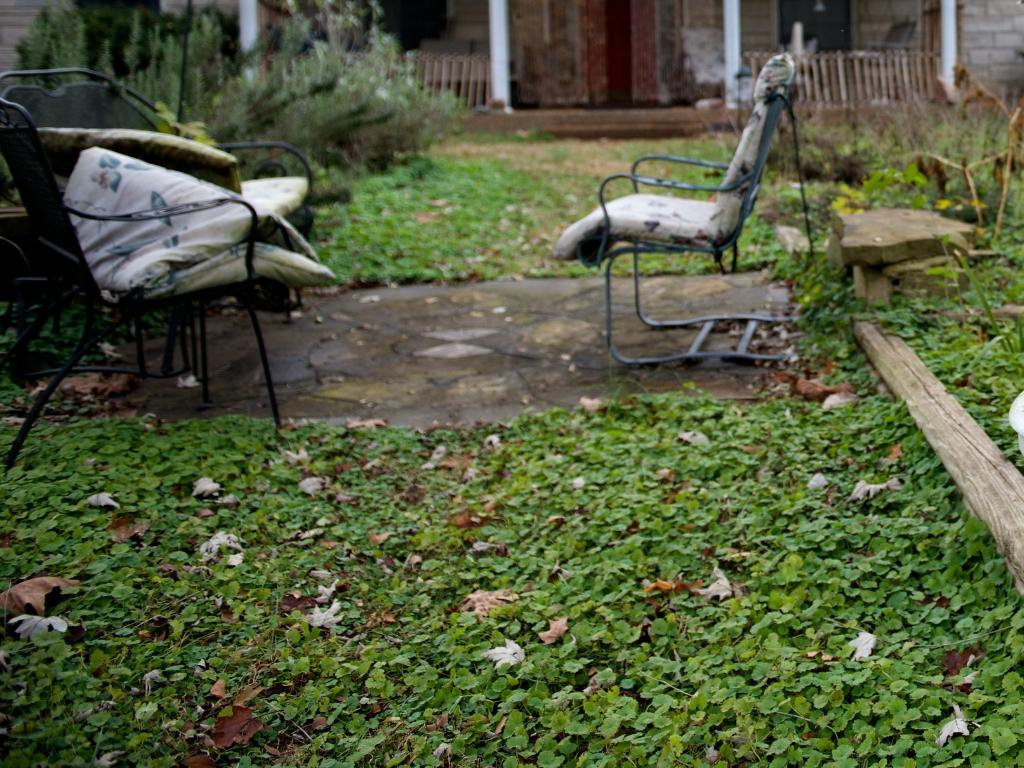
In Connecticut’s shaded yards, especially those beneath mature oak and maple trees, traditional lawn seed is set up to fail. Even so-called “shade-tolerant” grasses often need 4+ hours of filtered light. If your space gets less, the lawn will thin out seasonally no matter how often you water or reseed.
A better way to use shady areas is to treat them as functional spaces. Here are some suggestions:
- Turn them into functional mulch beds with groundcovers like sweet woodruff or epimedium.
- Use hardscaping (flagstone paths, crushed gravel) to create low-maintenance walkways.
- Install native ferns or hosta groupings for a layered, intentional look.
- Build privacy with shade-tolerant shrubs like inkberry holly or mountain laurel.
Stop trying to “fix” shade. Shade isn’t a flaw. It’s a feature waiting to be used, so reframe it as an opportunity to create a distinct outdoor zone.
Don’t Fight Rocky Soil. Leverage It.
Large parts of Connecticut have naturally rocky terrain. Trying to turn every rocky space into a flower bed is expensive and short-sighted. Instead, design around it.
Here are some smart landscaping moves for rocky yards:
- Use boulder placements as anchors in your design. They’re a cost-saving alternative to built walls.
- Create xeriscape pockets using low-soil plants like sedum, thyme, or coreopsis.
- Opt for gravel beds or stone paths where planting just doesn’t make sense.
- Install raised beds with amended soil if you’re set on growing high-performance plants.
Rocky ground often has excellent drainage. That’s a gift — not a curse — if you’re planting natives or drought-tolerant varieties. The key is to pick the right plants and use the rocks as part of your visual structure.
Slopes and Drainage Problems Are Design Opportunities.
Connecticut’s natural topography means sloped yards are common, but few homeowners know how to manage them effectively.
Here’s where poor grading, erosion, and soggy spots often show up. And while surface fixes like sod or mulch may look good for a season, they won’t hold up without proper planning.
Think beyond “landscaping” and start with landform control. That means shaping the land to serve both function and aesthetics. Consider these solutions:
- Terracing to break up slopes into usable planting zones
- Dry creek beds to redirect water and reduce erosion
- Rain gardens to collect runoff in low spots using plants that love wet feet
- Permeable hardscaping to handle traffic without compacting the soil
Incorporate drainage solutions as design elements. For example, a dry creek bed lined with native river stone and grasses can handle runoff and look intentional. That’s how you turn a problem into a feature.
Rethink “Problem Areas” and Turn Them Into Purposeful Zones.
If you’re treating each part of your yard the same, you’re setting yourself up for more work. Difficult landscapes are rarely “bad”; they’re just mismatched with the wrong expectations.
Start asking better questions. Here are some you can ponder on:
- Does this part of the yard need to be planted at all?
- Could it serve a different function: a fire pit zone, a storage corner, a utility buffer?
- Is this an area where we could reduce maintenance permanently?
- What does the space need to be useful, not just “pretty”?
Here are a few functional zone ideas for tricky spaces:
- Under large trees? Add a crushed stone patio for hammocks or shade seating.
- Narrow side yards? Install vertical herb planters and gravel to skip mowing.
- Rockyback corners? Use as a composting or tool storage area.
- Slope near the house? Terraced beds with native shrubs and lighting for curb appeal.
It’s not about “fixing” every part of your yard. It’s about giving each area a defined role that works for your lifestyle and landscape.
Where Most Projects Go Wrong
Let’s be honest: most Connecticut landscaping issues don’t come from lack of effort. They come from trying to copy designs that weren’t built for your site.
Here’s what we often see go wrong:
- Overplanting in shade with species that need full sun
- Adding turf where mowing is unsafe or impractical
- Using cheap mulch in drainage areas that wash away in one season
- Choosing plants based on looks, not root structure or tolerance
- Ignoring long-term maintenance when making layout choices
The best designs aren’t the ones that look good in spring. They’re the ones that still hold up in November after a rainy week.
The GreenTurf Approach: Practical Landscaping That Lasts
We don’t just install landscapes. We solve problems.
At GreenTurf, we specialize in creating Connecticut landscaping solutions for homeowners who’ve dealt with frustrating yards for years.
Here’s what makes us different:
- We plan around your actual site, not stock layouts.
- We use native and adaptive plants that survive our region’s unique mix of sun, shade, and soil.
- We recommend low-maintenance solutions that won’t create future headaches.
- We build in phases if you’re working with a budget, so nothing gets wasted.
Start With One Area. Do It Right. Then Expand.
You don’t need to redo your entire landscape at once. Choose one tough spot: a problem area that frustrates you. Then give it a real plan and a clear purpose.
Once it works, you’ll see the value. Then it’s easier to expand that logic across the yard.
And if you want help, we’re here to work with you.